5–8 hours
Athens: Acropolis & Agora
First entry slot, the Caryatids and the Acropolis Museum, without the crowd.
From £320
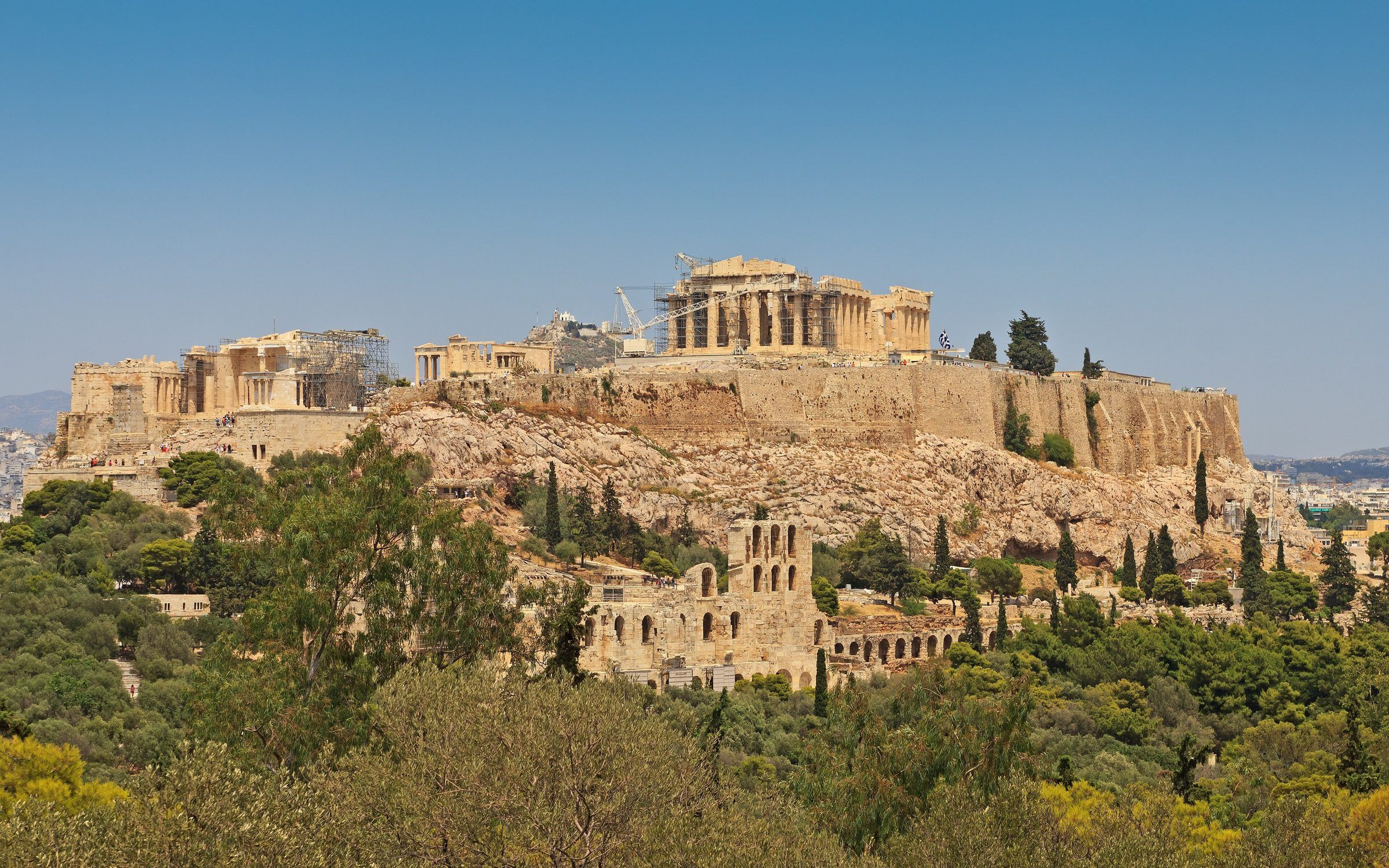
Athens is the cradle of democracy and home to the Acropolis, a UNESCO World Heritage Site crowned by the 5th-century BC Parthenon. Allow two to three days for the Acropolis, the Ancient Agora, the Acropolis Museum and the neighbourhoods of Plaka and Anafiotika.
The Parthenon was built between 447 and 432 BC under Pericles, at the height of Athenian power, and the rock it stands on has been a sanctuary for far longer. Today the Acropolis, the Ancient Agora and the Acropolis Museum (opened in 2009 at the foot of the hill) tell one continuous story, and a private guide who knows how they connect is the difference between a queue and a lesson.
Beyond antiquity, Athens is a lively modern capital: Plaka’s lanes, Monastiraki’s flea market, the rooftop bars with Acropolis views, and the coast road to Cape Sounion. Our private days start before the coaches and end with a long dinner, not a bus timetable.
April–June, September–October. Spring and early autumn give warm, clear days without the 35–40 °C peaks that can arrive between mid-July and August, when the Acropolis can be uncomfortably hot at midday. Winters are mild and quiet, with occasional rain.
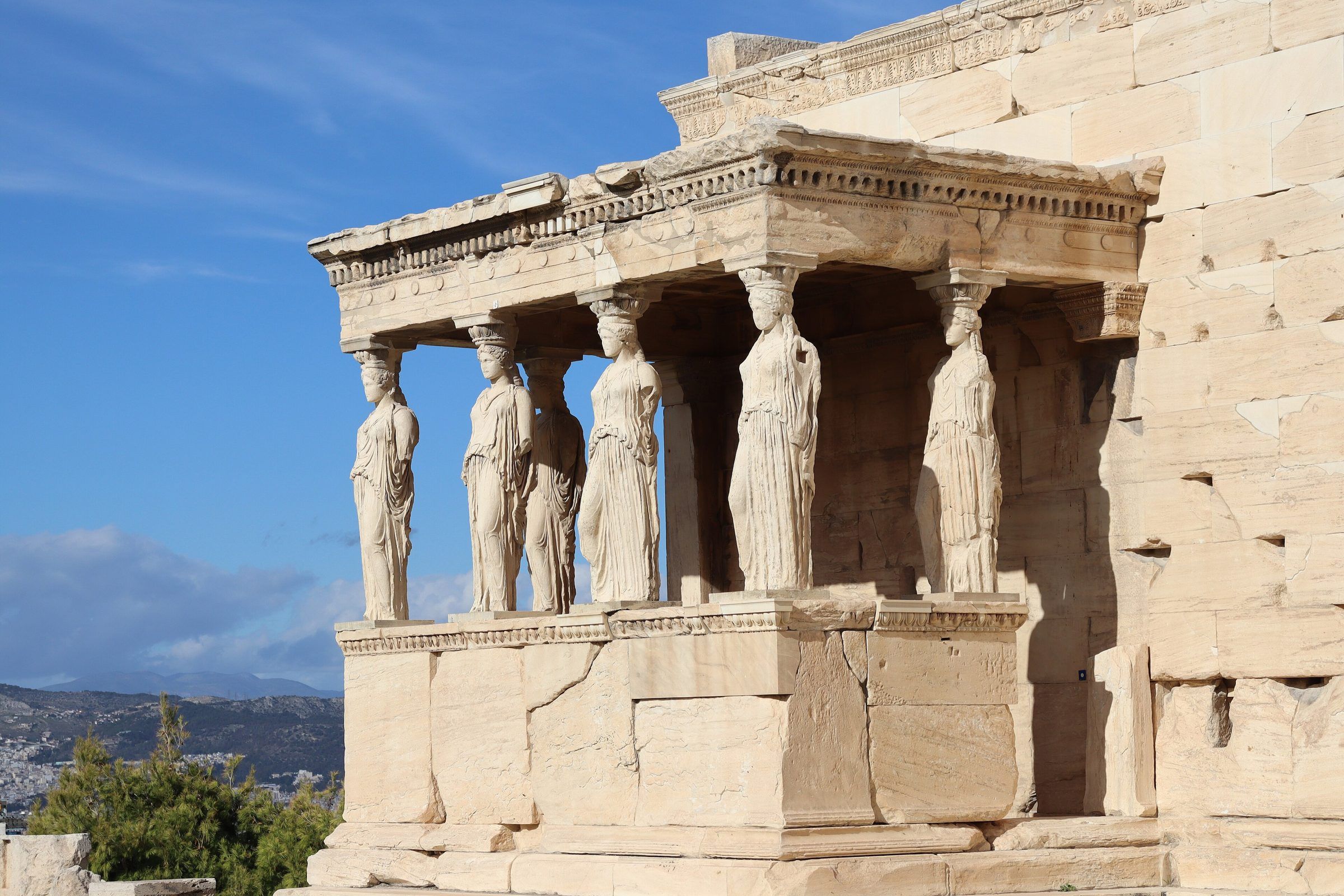
The Acropolis is visited on timed-entry tickets. We book the first slot of the day, when the marble is cool, the light is low and the Propylaea and Erechtheion with its Caryatids are almost empty.
Tip: Wear flat, grippy shoes. The polished marble is slippery, particularly after rain.
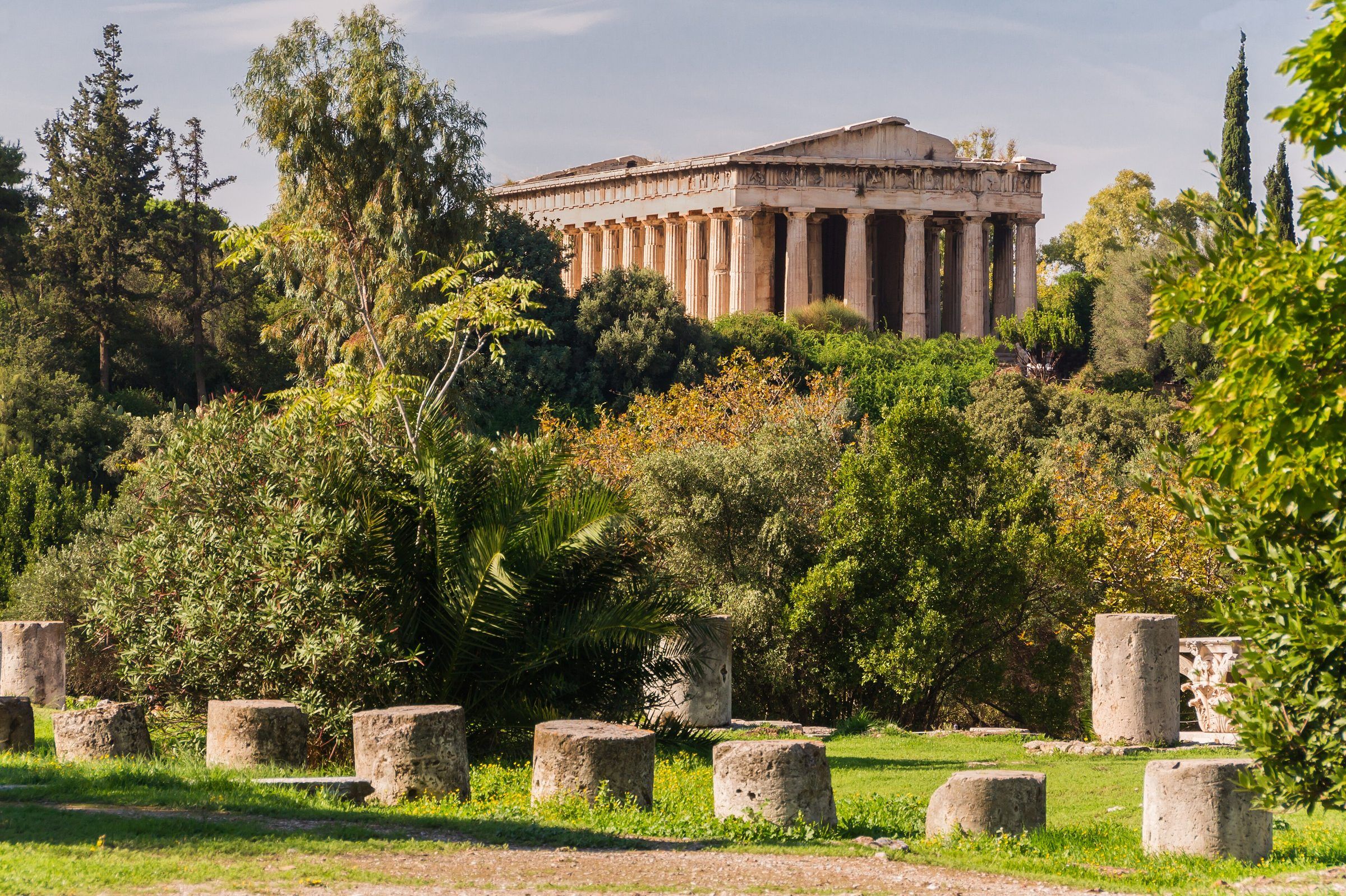
The civic heart of classical Athens, where Socrates taught and the first democratic assemblies met. The Temple of Hephaestus (c. 449 BC) is one of the best-preserved Doric temples in Greece.
A modern glass building with a gallery aligned to the Parthenon, displaying the frieze fragments and the original Caryatids. Your guide reads the frieze with you panel by panel.
The all-marble stadium that hosted the first modern Olympic Games in 1896, rebuilt on the ancient stadium’s plan.
Central Market, a bakery for fresh koulouri, a family taverna for meze and a glass of assyrtiko, all introduced by a local who knows the owners.
Greek-language sources: Ministry of Culture e-ticketing (hhticket.gr); CNN Greece (el): Acropolis Museum new hours and events.
Two full days cover the Acropolis, Ancient Agora, Acropolis Museum and a food walk without rushing. Three days allow Cape Sounion and a half-day in the Athens Riviera.
Yes, in part. The site has a lift serving the summit and step-free routes have been installed. Your guide plans the route and arranges a drop-off point close to the entrance.
Athens is generally safe for visitors. Take normal city precautions with bags in crowded areas such as the metro and Monastiraki. A private chauffeur removes most of the risk.
First entry slot, the Caryatids and the Acropolis Museum, without the crowd.
From £320
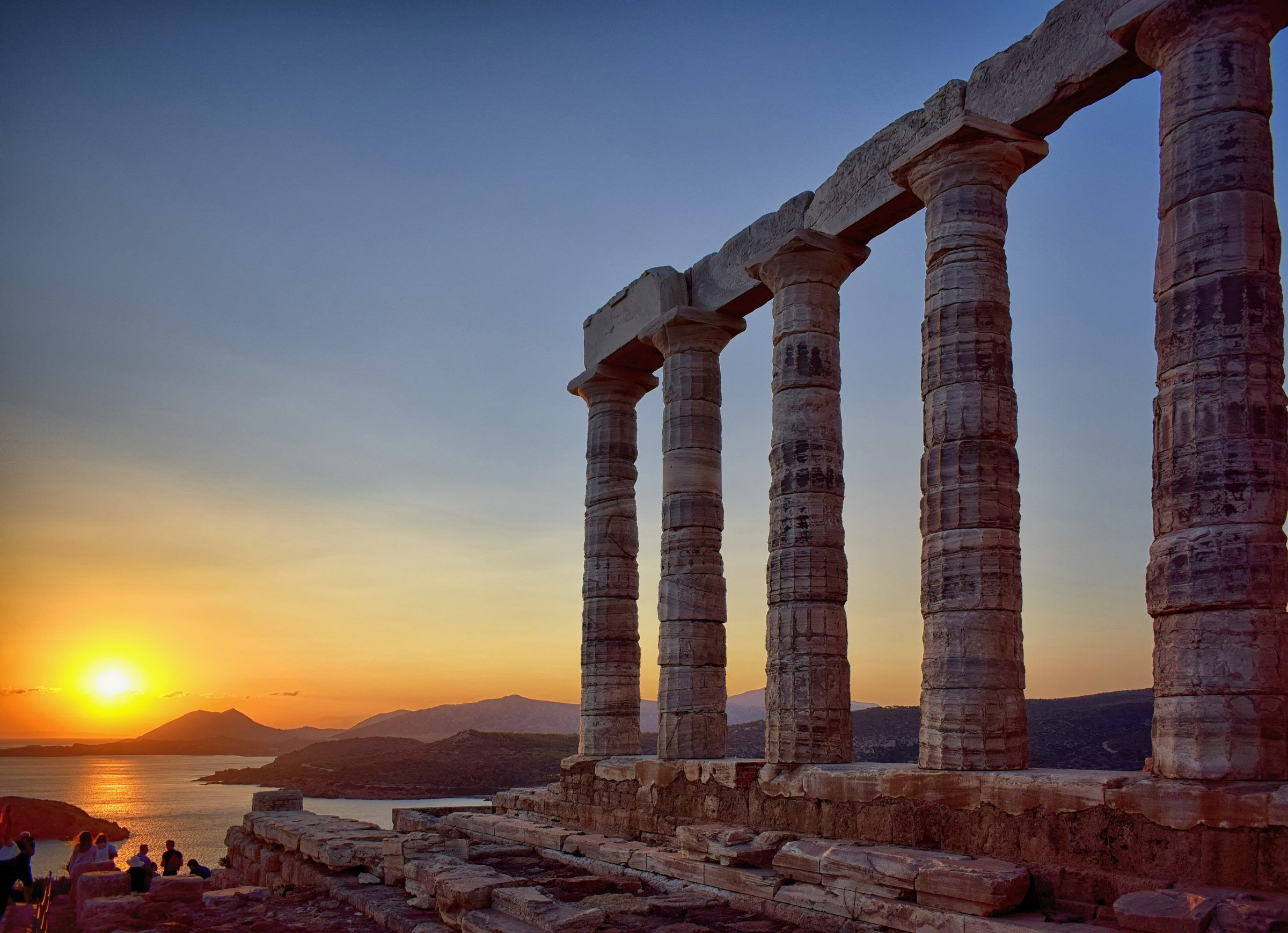
Poseidon’s temple at golden hour, then dinner on the Athens Riviera.
From £290
Meet your guide at the gangway and return in time to sail.
From £390
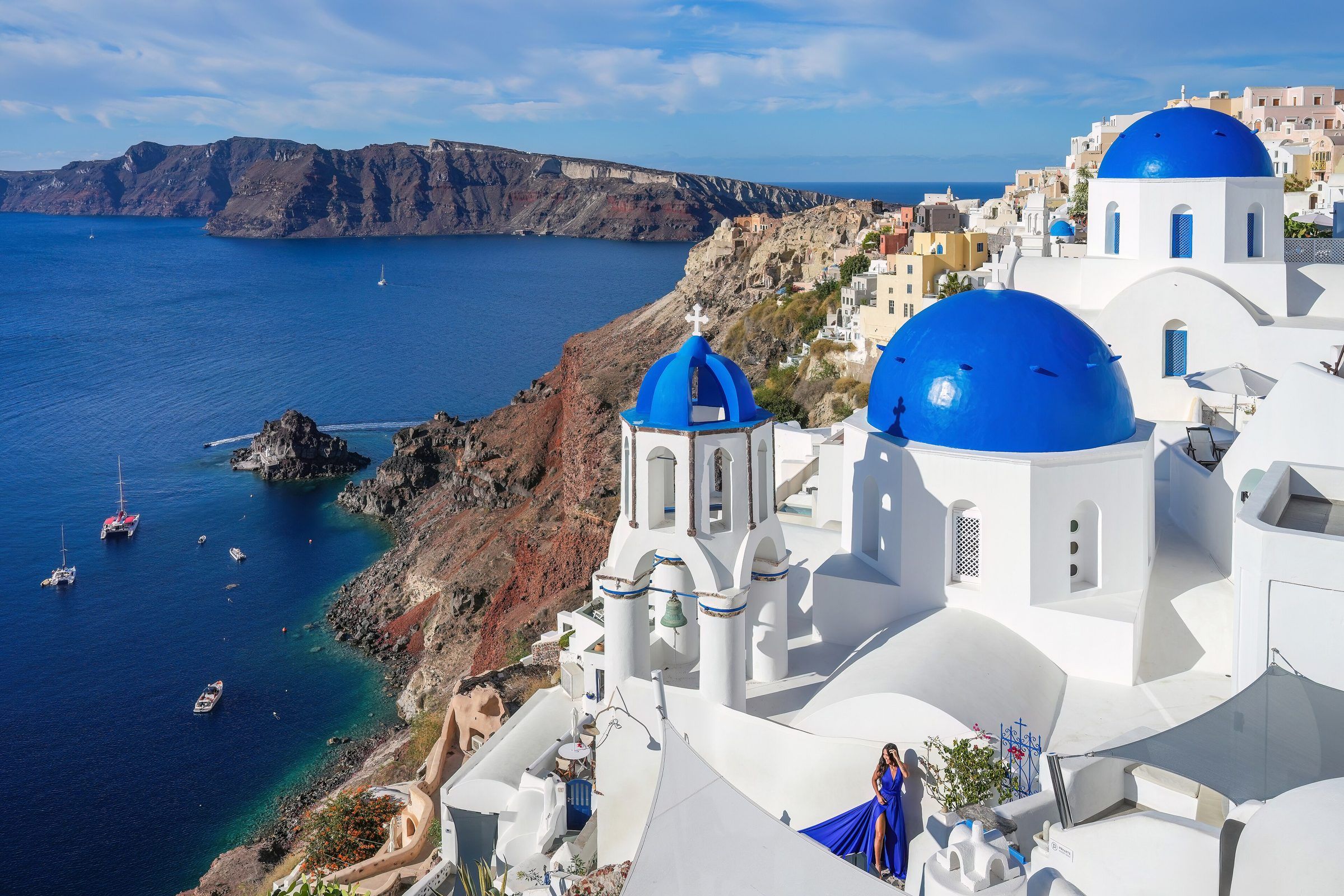
Athens, Delphi, Nafplio and the caldera of Santorini.
From £3,950