Corfu Κέρκυρα
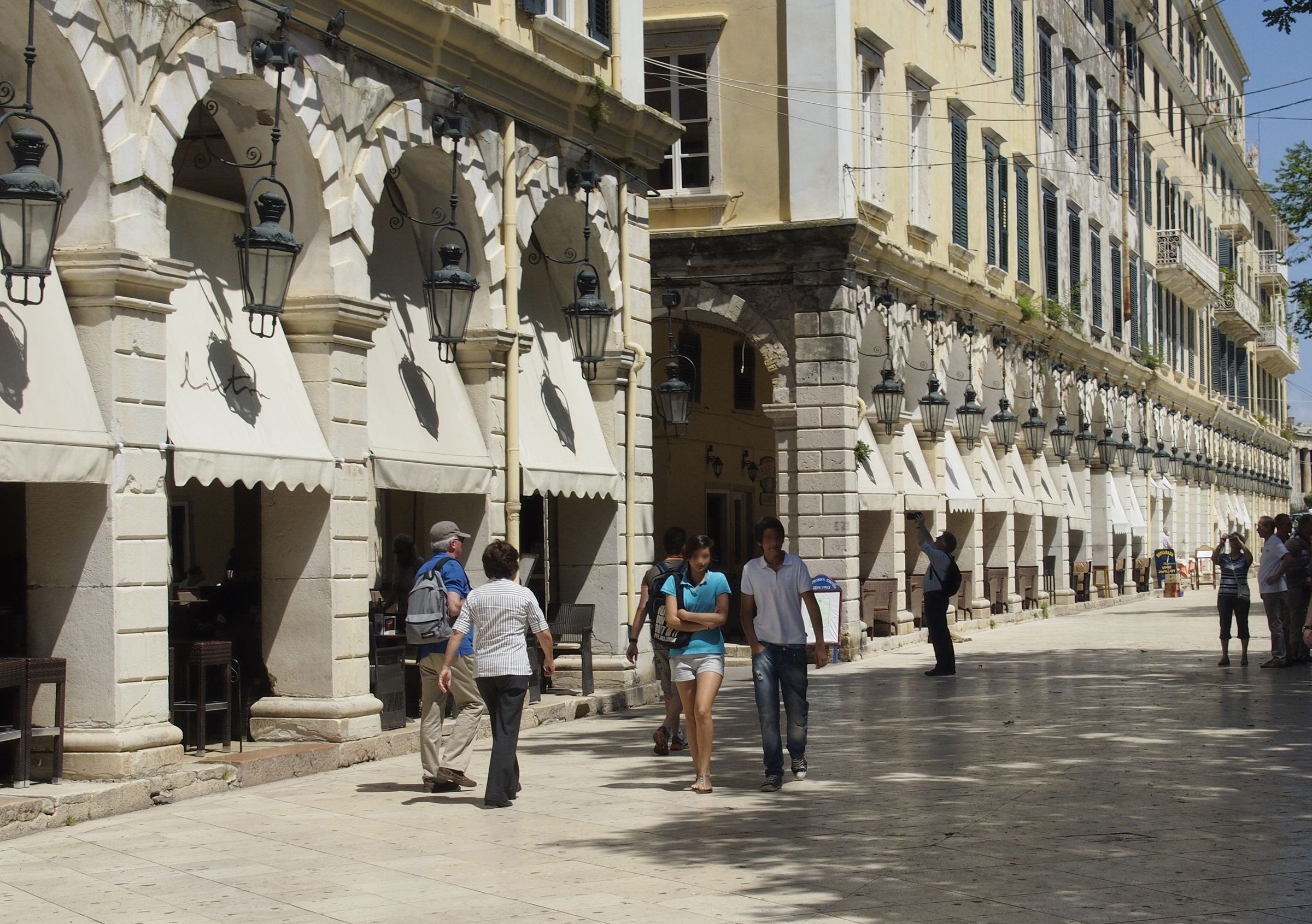
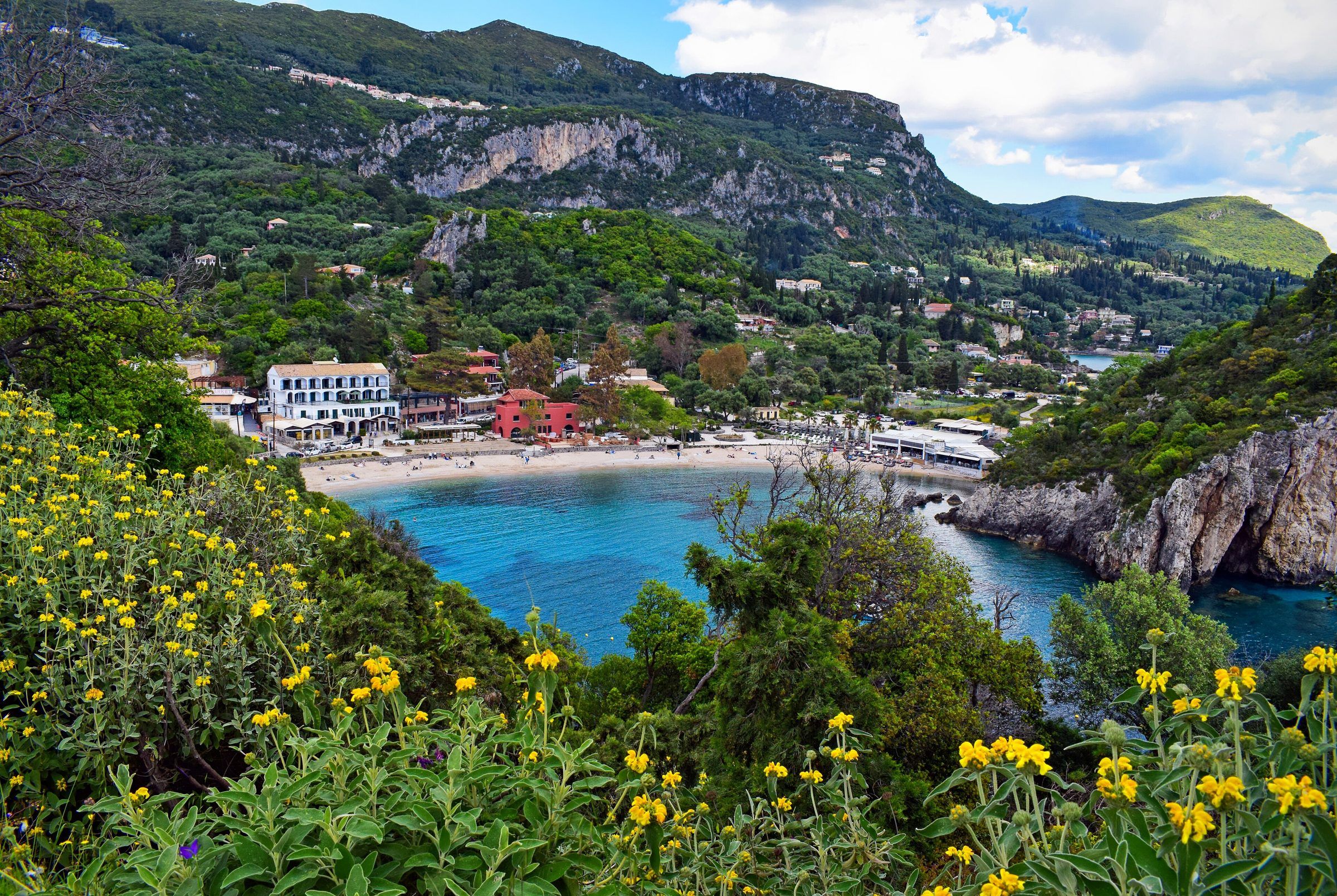
Corfu’s Old Town, a UNESCO World Heritage Site, is a blend of Venetian, French and British architecture dominated by two fortresses. The island’s green interior, Paleokastritsa’s coves and the Achilleion Palace make it the most verdant of the Greek islands.
Unlike the Aegean islands, Corfu was never ruled by the Ottomans. Venice held it for four centuries, followed by the French and then the British, who left cricket, ginger beer and the Liston arcade modelled on Paris’s Rue de Rivoli.
The island is green because it receives more rain than most of Greece, particularly in winter, hence the olive groves and cypresses.
Highlights
- Corfu Old Town
- Old and New Fortresses
- Achilleion Palace
- Paleokastritsa
- Liston arcade
Best time to visit Corfu
May–June, September–October. Spring is lush; the beach season runs from late May through October.
What to do
Old Town and the Liston
A guided walk through narrow “kantounia” lanes, Venetian squares and the Liston café arcade.
Achilleion Palace
Built in the 1890s for Empress Elisabeth of Austria (Sisi), later owned by Kaiser Wilhelm II.
Paleokastritsa by boat
Explore sea caves and swim in turquoise coves by private boat.
Where to stay
- Corfu Town: Walkable heritage hotels.
- Kommeno / north-east coast: Luxury resorts and villas by the sea.
Getting there
- Corfu Airport (CFU) has direct UK flights in season, and year-round connections via Athens.
Local tips
- Easter in Corfu is celebrated with unique processions and the throwing of clay pots on Holy Saturday.
Frequently asked questions
Is Corfu worth visiting for culture?
Yes. The Old Town is a UNESCO site and the island has a distinct Italian-influenced cuisine, such as pastitsada and sofrito.